
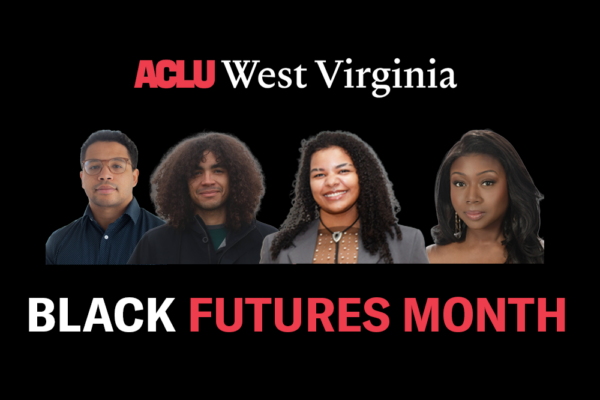
This Black History Month, our focus turns toward tomorrow — and the ongoing pursuit of systemic equality for Black people in America. From voting rights and economic opportunity to fair housing, education, and an end to police brutality and racial injustice in the criminal legal system, the work is far from over. That work is being carried forward today by Black activists, lawmakers, athletes, artists, and community leaders — many of them partners of the ACLU-WV — who remain committed to turning the promise of our Bill of Rights into reality.
For Black Futures Month, we asked some of these people, "When you envision a world where your advocacy dreams have come true, what does that look like?"
Olubunmi Kusimo-Frazier
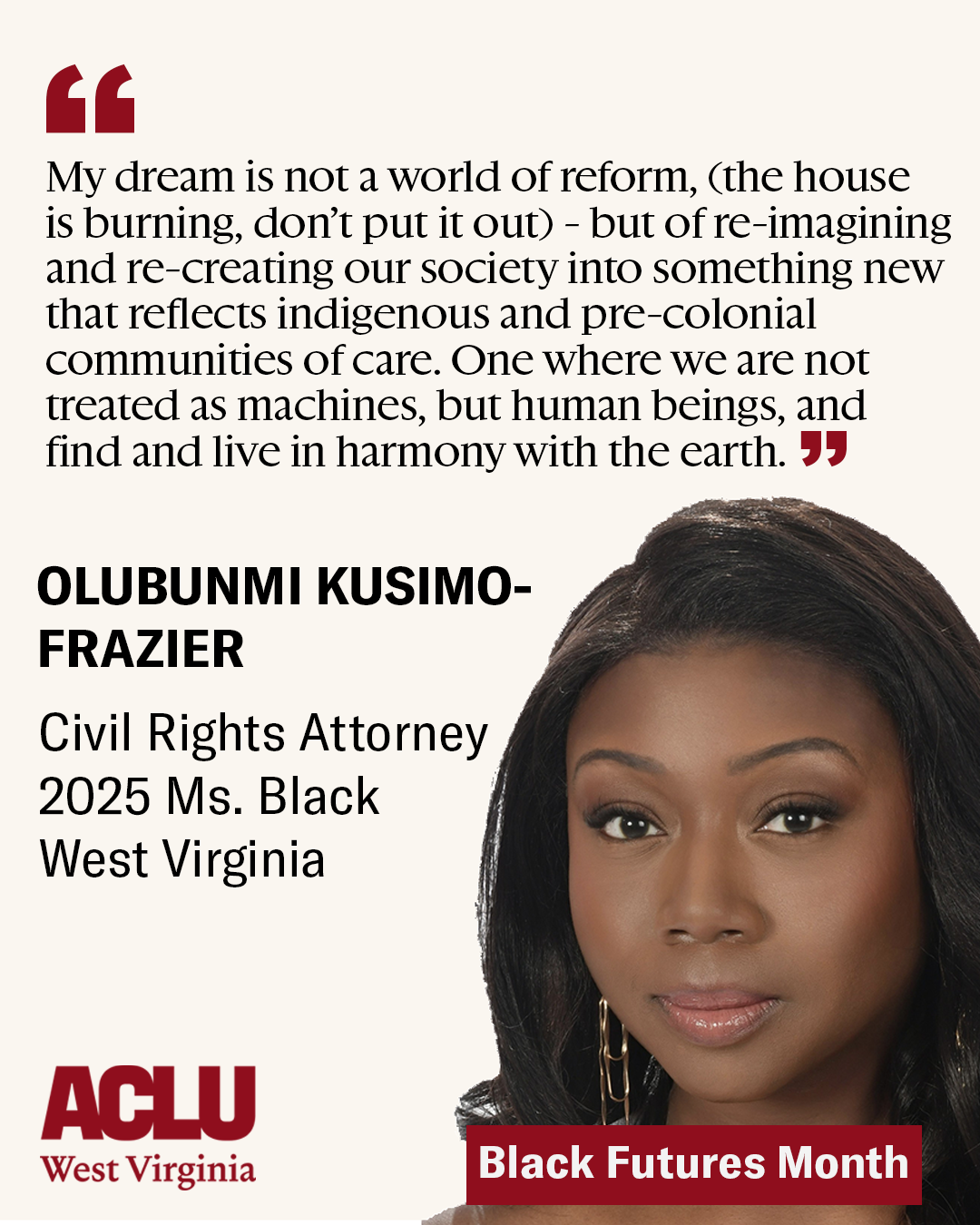
Olubunmi Kusimo-Frazier, Civil Right Attorney and 2025 Ms. Black West Virginia:
My dream is not a world of reform, (the house is burning, don’t put it out) - but of re-imagining and re-creating our society into something new that reflects indigenous and pre-colonial communities of care. One where we are not treated as machines, but human beings, and find and live in harmony with the earth. (Where we are not “treated” but have self-determination.) Where we work together to create a society that looks less at “I” and more at “we” and “us.” Granting grace and love along the way, we craft a future for our children and future generations that is alien from our present, in a new and novel and lovely way. My dream is of a world where we are free.
Quenton King
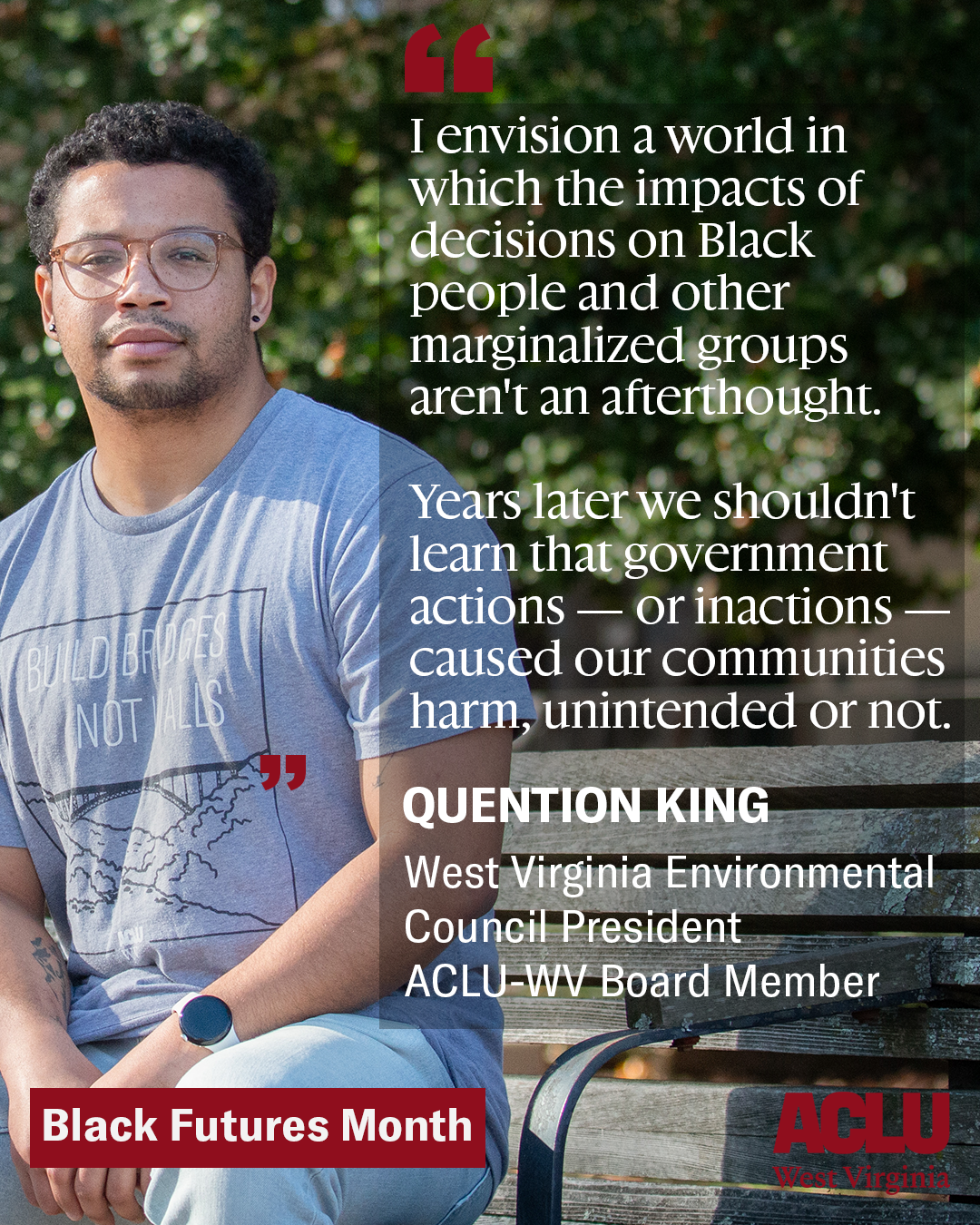
Quenton King, West Virginia Environmental Council President and ACLU of West Virginia Board Member:
I envision a world in which the impacts of decisions on Black people and other marginalized groups aren't an afterthought. Years later we shouldn't learn that government actions — or inactions — caused our communities harm, unintended or not. A world where we have a true seat at the table. Everyone is an expert on their lived experiences and their communities. In the future I envision, they are proud to use their voices and make themselves heard. And they will be heard.
Ocean Smith
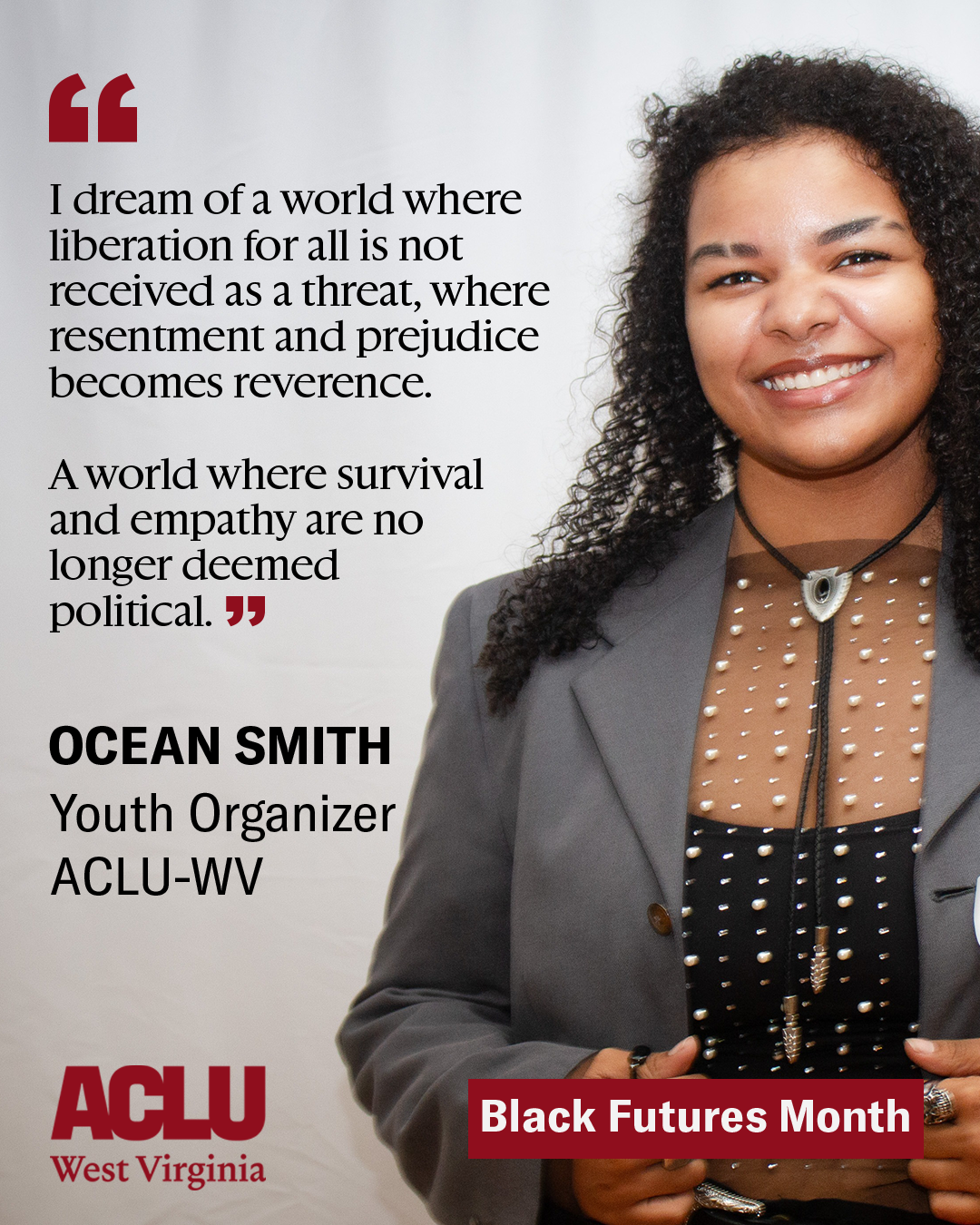
Ocean Smith, ACLU Of West Virginia Youth Organizer:
It looks like psychological safety, peaceful existence, and systems in place built to protect us rather than hinder us. I dream of a world where liberation for all is not received as a threat, where resentment and prejudice becomes reverence. A world where survival and empathy are no longer deemed political.
Torli Bush
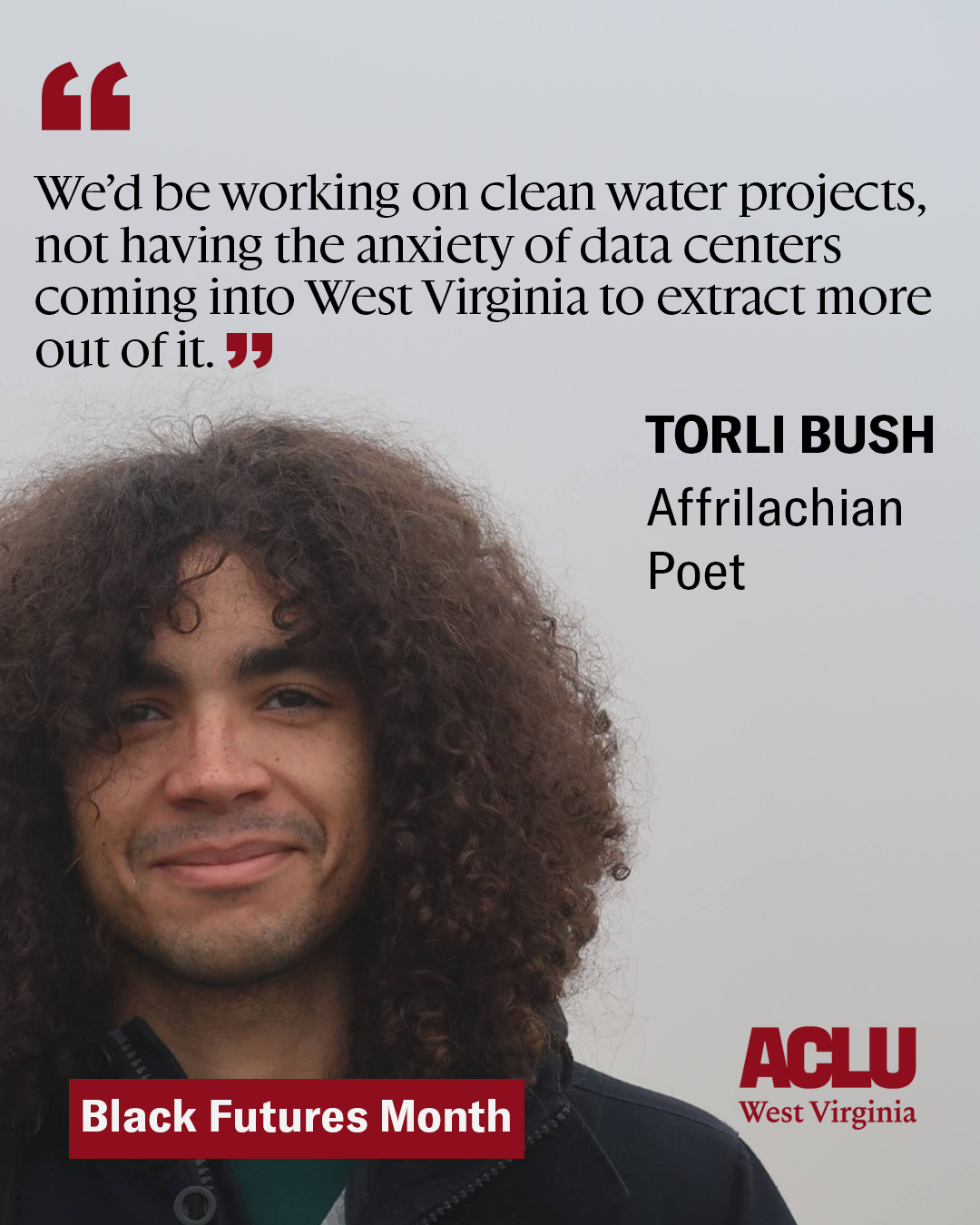
Torli Bush, Affrilachian Poet:
I envision a West Virginia where clean water is a priority rather than an afterthought; it's been incredibly frustrating to see what went on with the situation in the Coalfields.The state has had the capacity to help these counties begin remediating the toxic water systems they have, but nothing meaningful has been done yet. The Coalfields are in the middle of struggling for it right now, so in my dream scenario it would’ve never gotten to this point. We’d be working on clean water projects, not having the anxiety of data centers coming into West Virginia to extract more out of it. I’m still getting into this work, trying to be in solidarity with people and let those directly affected take the lead, but it’s something I plan to remain dedicated to.
I also see us as a state working towards real solutions to housing and homelessness as opposed to the criminalization of the most vulnerable people. People I know are for helping those within the criminal justice system and prison industrial complex attain higher education to open avenues for their reintegration into society. Through the Appalachian Prison Book Project and West Virginia University Higher Education in Prisons Initiative, I’ve had a couple of life changing experiences meeting with men who were incarcerated in Pennsylvania; they engaged in their studies with a critical mind and attention to detail that immediately opened my perspective to the potential within people when they are given the chance to continue their own growth, even in the midst of harsh circumstances. There are opportunities of a similar nature here in West Virginia and I think that highlighting those and working towards their sustainability could change the lives of so many people who find themselves against a system that is often adversarial to their capacity to rejoin society, contribute to it, and pursue what’s meaningful to them.