UPDATE: On June 30, the U.S. Supreme Court struck down President Trump's executive order, meaning that birthright citizenship will remain the law of the land.
Mere moments after taking office on Jan. 20, 2025, President Trump issued an executive order aimed at overturning the 14th Amendment’s guarantee that everyone born in the United States – with very few exceptions – is a citizen of this country.
But presidents can’t override constitutional amendments with the stroke of a pen, and birthright citizenship is central to who we are as a country. It’s a core reason why the U.S. has been seen for generations as a beacon of opportunity around the world. Ending it would upend the law and the lives of hundreds of thousands of families. It would deny citizenship to people in the only country they’ve ever called home and could even create stateless citizens.
Within two hours of Trump’s executive order, the national ACLU filed suit to halt its enforcement. Court after court has declared the executive order unenforceable. In early April, ACLU Legal Director Cecilia Wang led ACLU’s arguments at the U.S. Supreme Court.
“All of us born in this country are Americans, as guaranteed by the 14th Amendment. That is the principle we defended before the United States Supreme Court today,” she said. “I left the courtroom thinking about my parents and so many families who came here seeking refuge, opportunity, and the American way of life. We couldn’t be more confident that this unlawful, un-American executive order will be struck down.”
Justices are expected to rule on the matter in late June or early July.
The effects of birthright citizenship are felt throughout West Virginia as well. We asked several West Virginians (none of whom are party to the ACLU’s legal case) what this designation means to them.
As a kindergartner in the late 1970s in Beckley, Joy Maramba remembers sometimes feeling like an outsider. Her white peers teased her for being Asian, and she even had the occasional racial epithet hurled at her.
“We were the different kids,” she said of herself and her three siblings.
CALL ME JOY
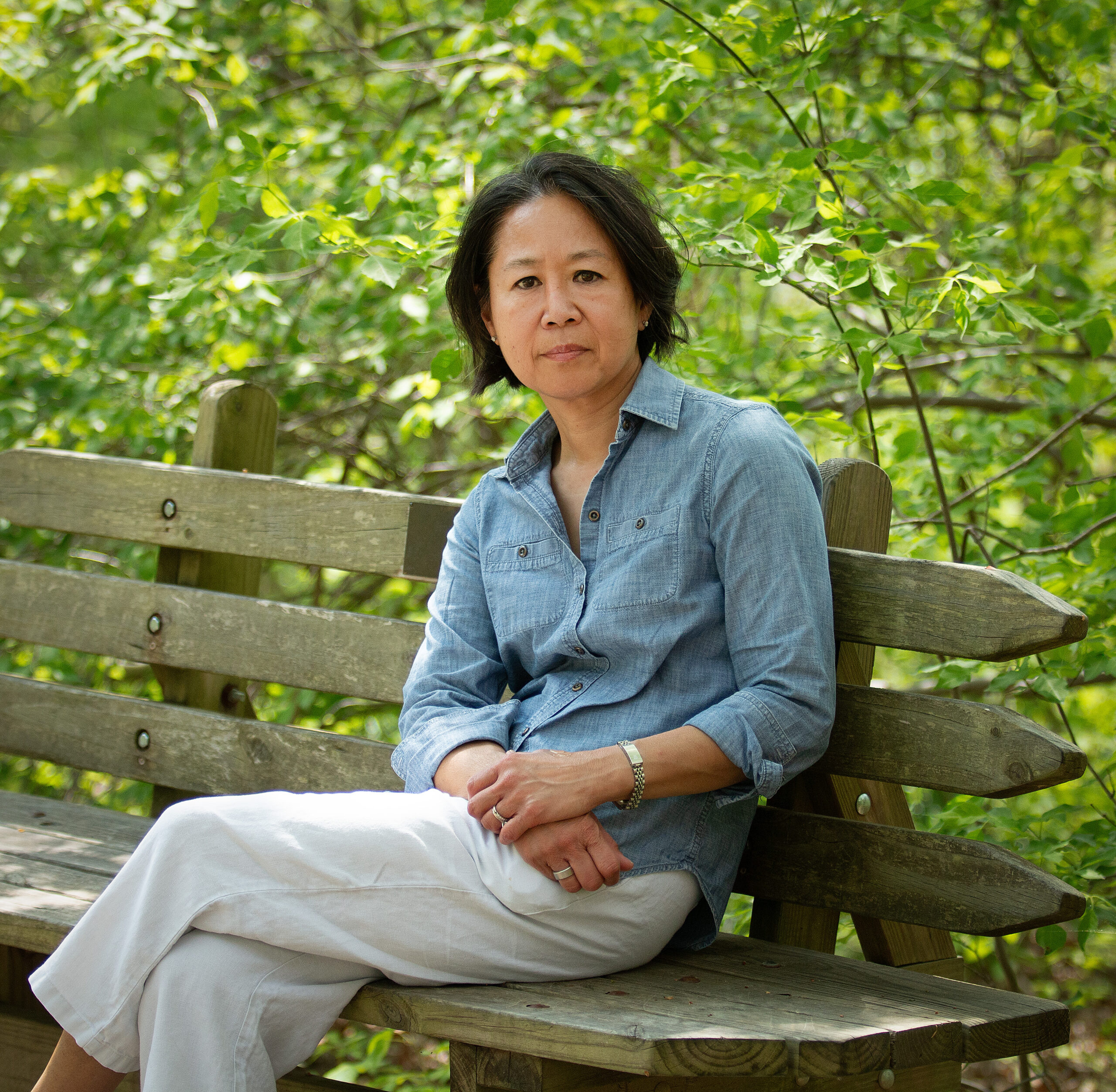
Joy Maramba
Joy, a nursing professor, was also reminded throughout her childhood of the privileges of her U.S. citizenship during trips to her parents’ home country of the Philippines.
“You feel grateful for simple things like running water,” she said. “We’re very grounded in family and I know even if I had grown up there, that would be the same, but could I do what I do now? Not at the same scale.”
Her father came to the U.S. in the sixties to study medicine, and his wife and young son followed later. He was supposed to leave after earning his medical degree, but when President Ferdinand Marcos declared martial law, Joy’s grandfather told her dad not to return home.
A physician shortage in West Virginia brought the family south from New Jersey. Joy and two other siblings were born in the U.S., meaning half the family had to obtain citizenship and the other half were granted it at birth. She said she has faint memories of her parents taking their citizenship tests, but she was too young to grasp the importance of it at the time.
She doesn’t understand the drive to restrict citizenship for people who simply want to contribute to society.
“I really love what I do,” she said. “There is a profound nursing shortage here and I get to help train thousands of people to fill that need.”
She doesn’t feel different anymore, at least not in a bad way. “I think it’s the reverse now,” she said with a laugh.
“I don’t know how many times I go into a patient room in the same color scrubs as all the other nurses, and then the patient or their family asks if I’m the doctor. “It’s a weird reverence now; because I’m Asian, I must be the doctor. I tell my students don’t call me ‘doctor’ because it will just confuse patients more. “Just call me ‘Joy’ and let’s leave it at that.”
HERE TO STAY
Alejandro Garcia, of St. Albans, watched his parents and older sister struggle with being undocumented growing up. His parents, who own a Mexican restaurant near Charleston, have since been naturalized and his sister is a recipient of DACA, the Deferred Action for Childhood Arrivals program started under President Obama.
“In a world where my skin color, my culture, and my language is held against me, birthright citizenship makes me an exception – I am here to stay,” he said. “My parents made the choice to give me better than they had. They sacrificed for my siblings and I.”
He recently became a father and said his parents’ sacrifices now hit home in a new way.
“When I look at (my son), I know exactly what kind of love fueled such a brave and strong act of selflessness. My son gets to live in a world of opportunity because of the sacrifice my family made.”
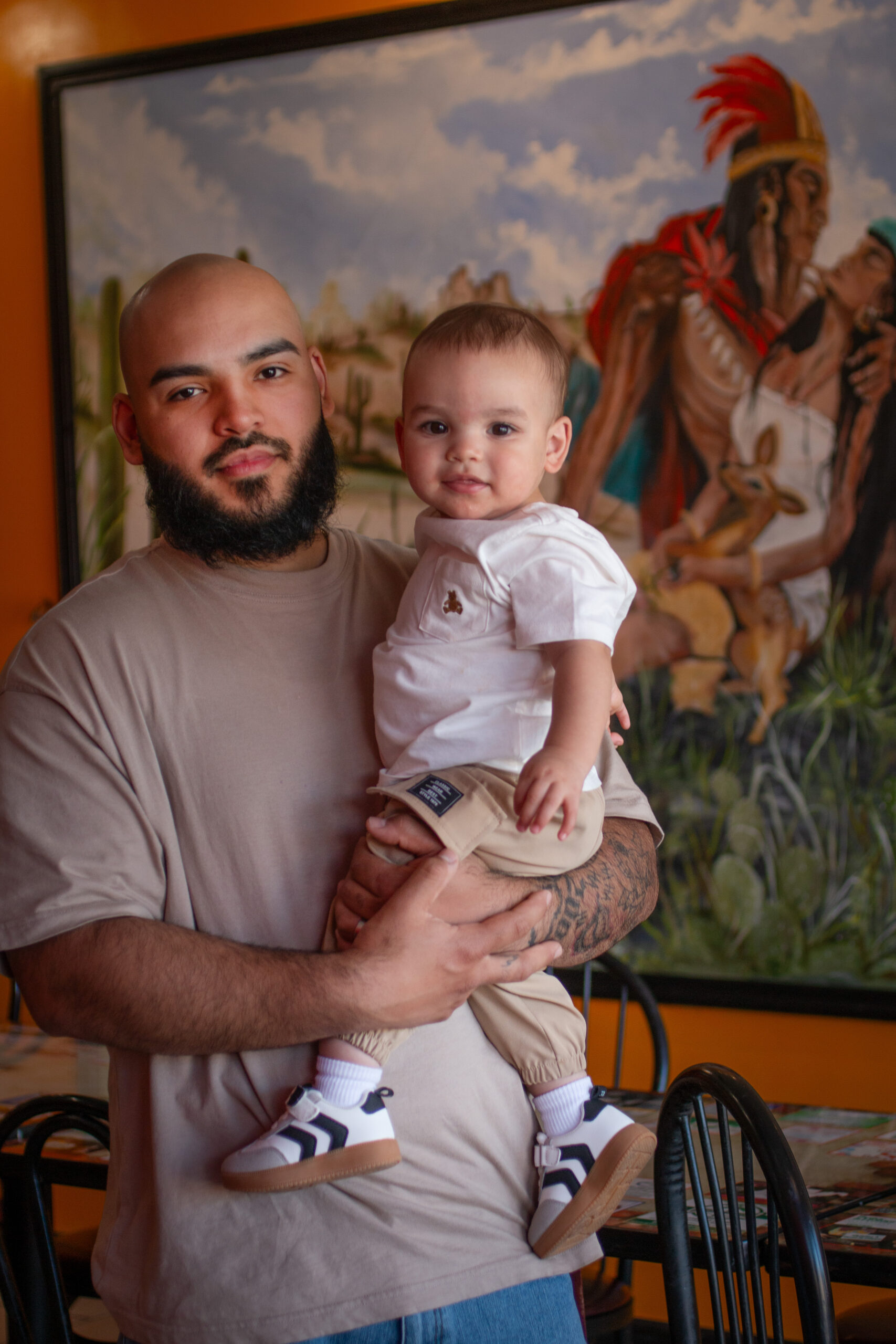
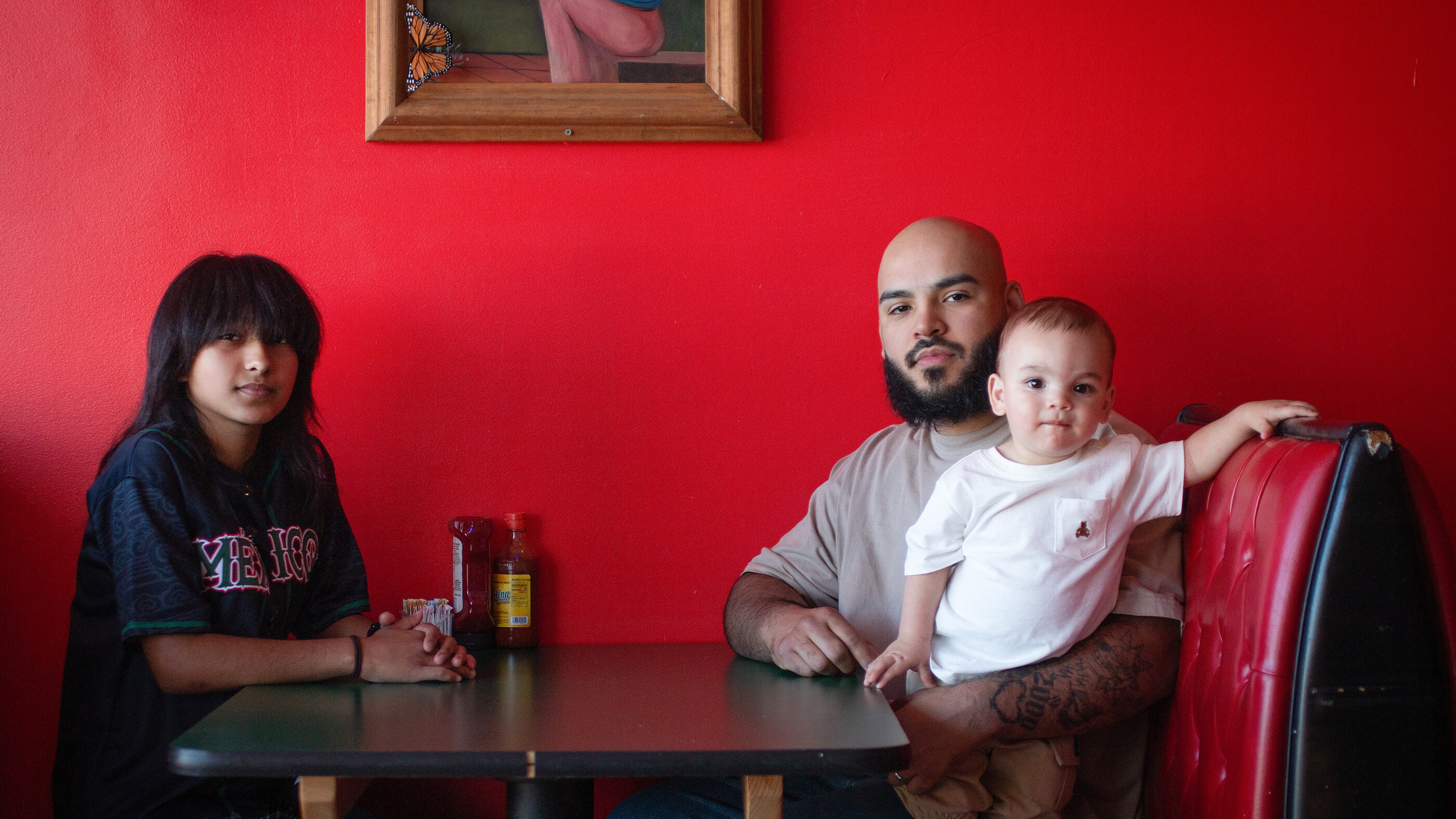
Alejandro Garcia and son, Silas.
His younger sister, Ashlynn, said she couldn’t imagine a world where birthright citizenship was taken from people like her.
“I would feel like less than half a person, like a child who hadn’t learned to walk yet who struggles with every step they take,” she said. Citizenship has opened a whole world to her that other family members were denied.
“I can chase my dreams without worrying that there will be a huge thing holding me back,” the high school track runner said.
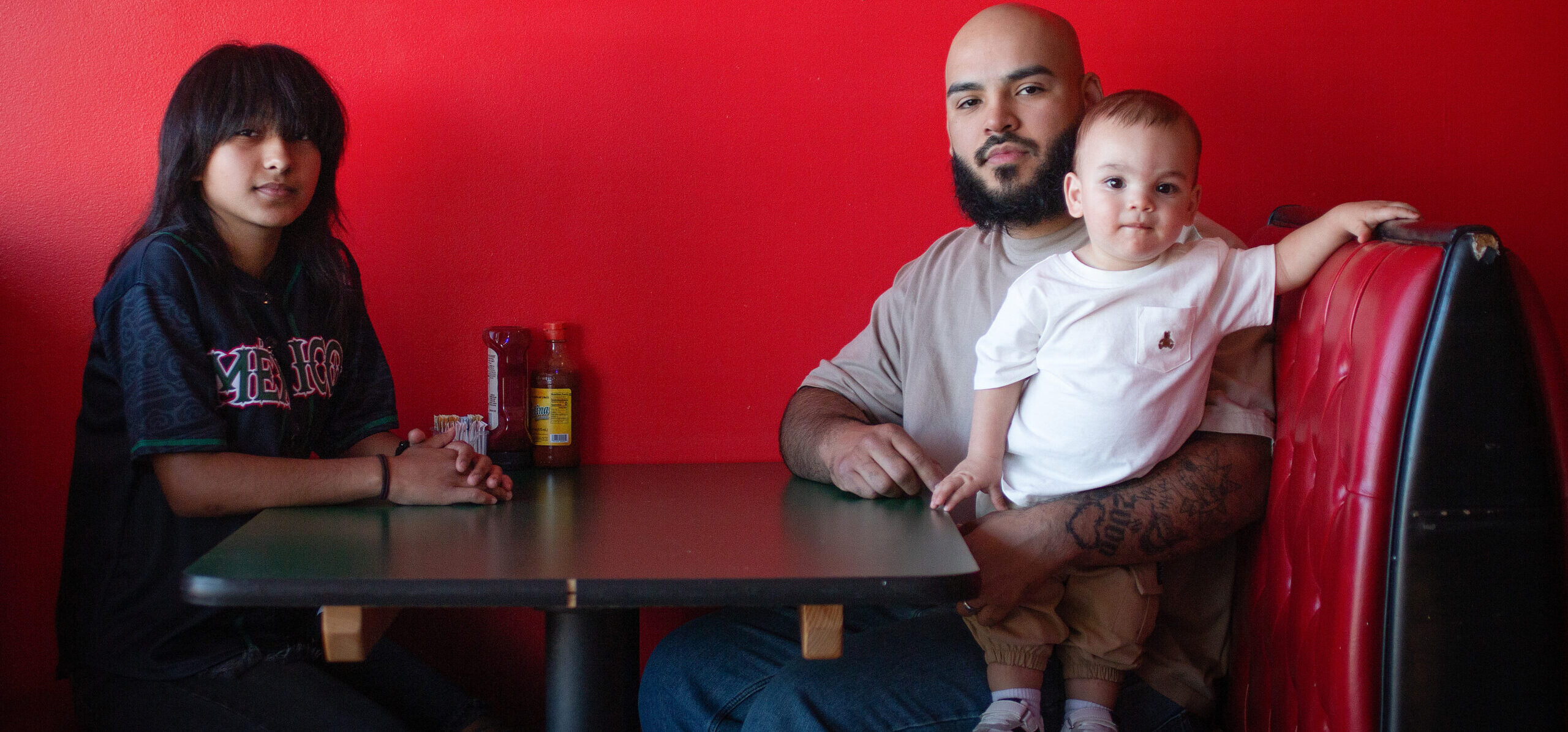
Ashlynn Garcia, her brother Alejandro, and Alejandro's son, Silas, at their family's Mexican restaurant near Charleston.
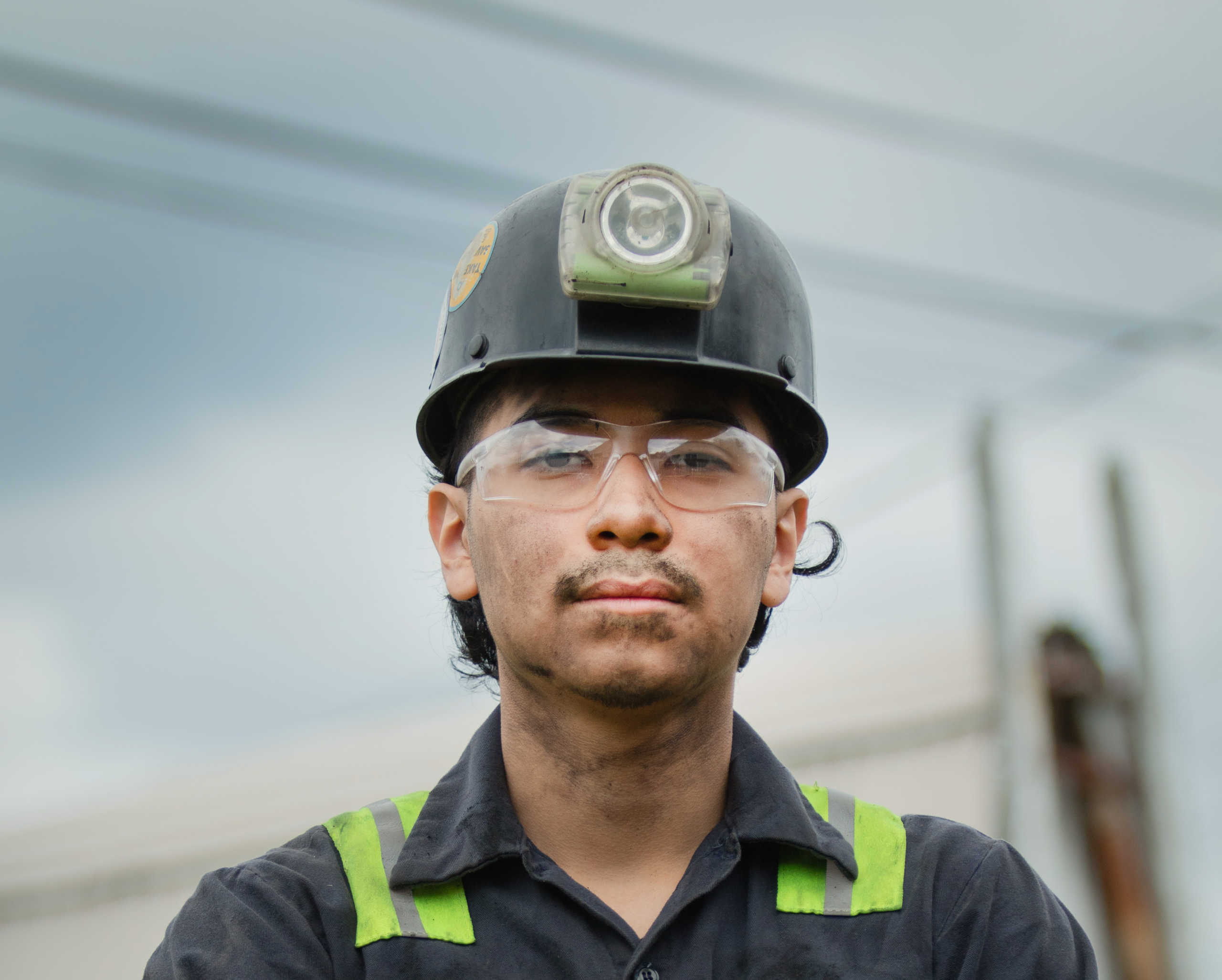
Edwin Lozano, whose parents were also undocumented and from Mexico, works as a coal miner in Lincoln County. Like Alejandro and Ashlynn, Edwin has a sister who is a DACA recipient. He was born in North Carolina.
“It’s meant that I had the same chance as anyone else here to make an honest living and lay down a better path,” he said. And he said he doesn’t take his citizenship for granted. “It is what has driven me to become the man that I am,” he said, “for myself and the family that put me here."
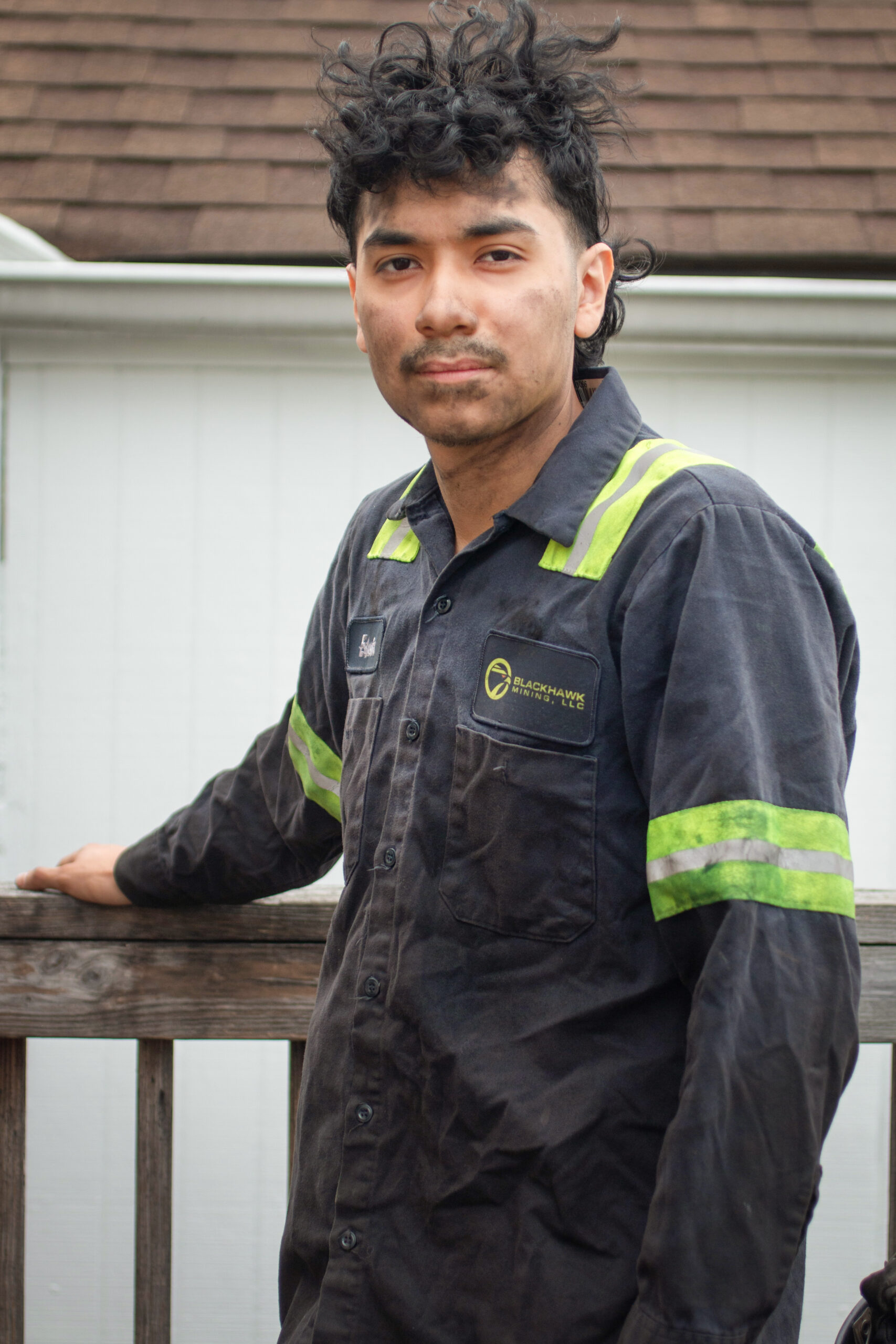
Edwin Lozano
HER COUNTRY
Dr. Sarah Zanabli’s father always emphasized the importance of keeping a low profile.
“It was a safety thing,” she said. “Fly under the radar, don’t make a big statement, and be safe.”
For the most part, Sarah felt accepted and safe growing up in Charleston, which has a Syrian community consisting of some 200 families, she said.
But on International Day in high school, Sarah and some friends got excited about the chance to wear Syrian clothes to school and bring traditional Syrian food to feed their teachers and classmates. That excitement soured when a boy yelled, “Go back to your country, terrorists!”
But Sarah was already in her country.
“I was born in Rhode Island. I’m glad I get to live in the U.S. and I honestly wouldn’t want to live anywhere else in the world,” she said.
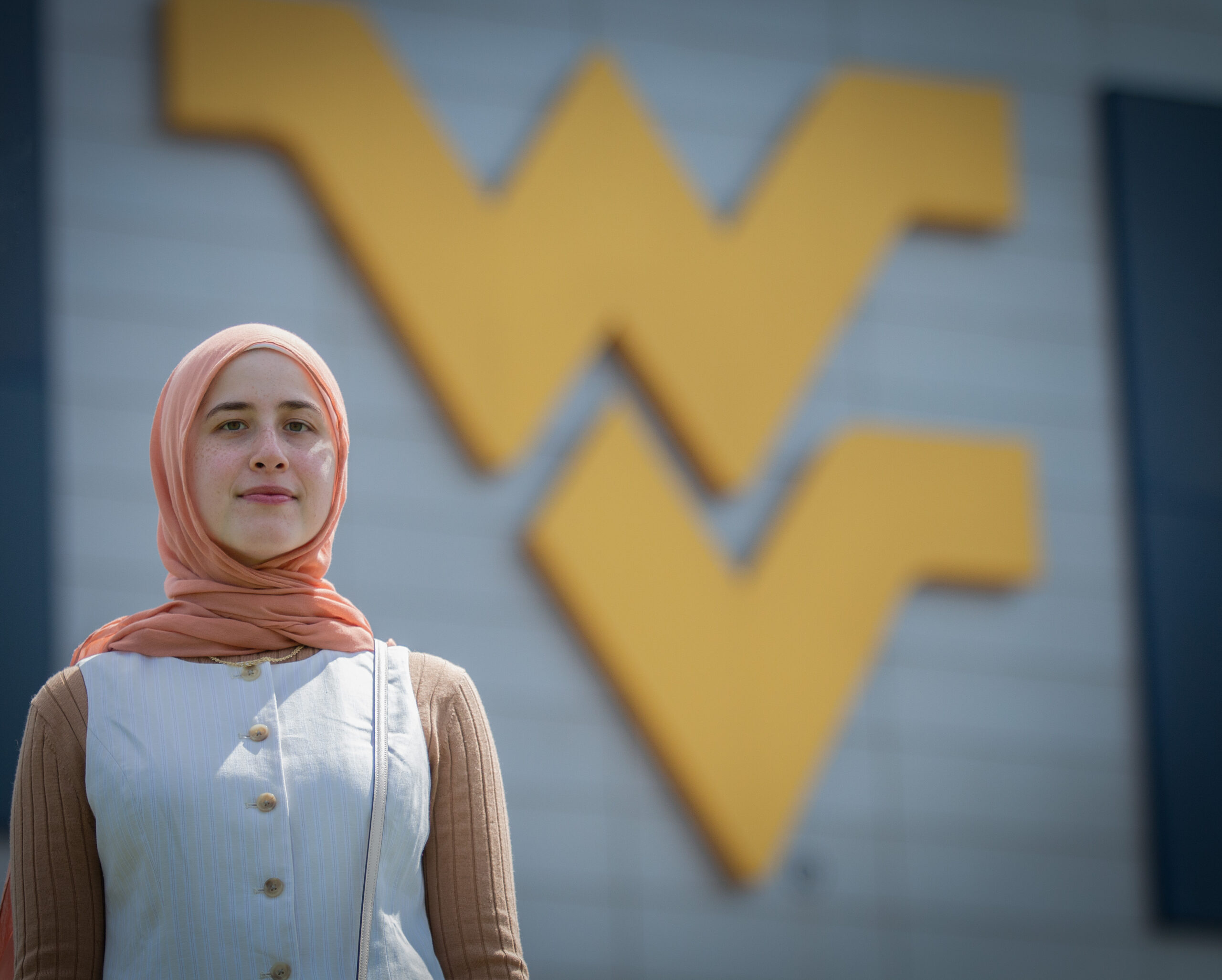
Sarah Zanabli
Although it wasn’t the only time she’d heard the T-word, Sarah said West Virginia is a very kind and accepting place. She said the stereotype of poor rural people being racist isn’t fair, and that she has never had a bad experience with people who come to the free dental clinics at WVU. She said women who come to the clinics often compliment her hijab or tell her she’s pretty.
She said she and her husband plan to stay. She graduated from dental school last month and will soon begin practicing dentistry in Fairmont.
“I really liked growing up in West Virginia,” she said. “If you work hard you can go to college for free and it’s a really great place especially if you’re in the medical field. And there’s a big need, so you really feel like you’re doing great work.”
Farrah Zahir, a physician assistant in Beckley, said her parents were among the first Indians to move to the area. Her father, Dr. Syed Zahir, who is partially retired now
after nearly 55 years as an orthopedic surgeon, was highly sought after because of his specialized training.
“Daddy always says, ‘I remember Beckley when it was all dirt roads,’” she said.
She and her four siblings were all born in the United States, and their parents were naturalized in 1973. Fifty-three years later, her mother, Amna, still has the sparkly American flag pin she received at the ceremony in Washington, D.C.
“I really cherish this,” she said while attaching it to her shirt for a photo. “The United States has been wonderful to us.”
All four children went on to have successful careers in medicine. When asked if that makes him proud, Dr. Zahir matter-of-factly said, “It was our job to educate them, to guide them.”
From the free health care Dr. Zahir provided to disabled children to the clinic he donated to Appalachian Regional Medicine, it would be hard to calculate how much this one family has given to the local community.
The Zahirs spent six weeks out of every year in India during Farrah’s childhood, and she created many fond memories there.
“India is wonderful – great clothing, great food, great shopping,” she said, “but this is the only home I’ve ever known.”
“I was born on this soil, and I plan on dying on this soil.”
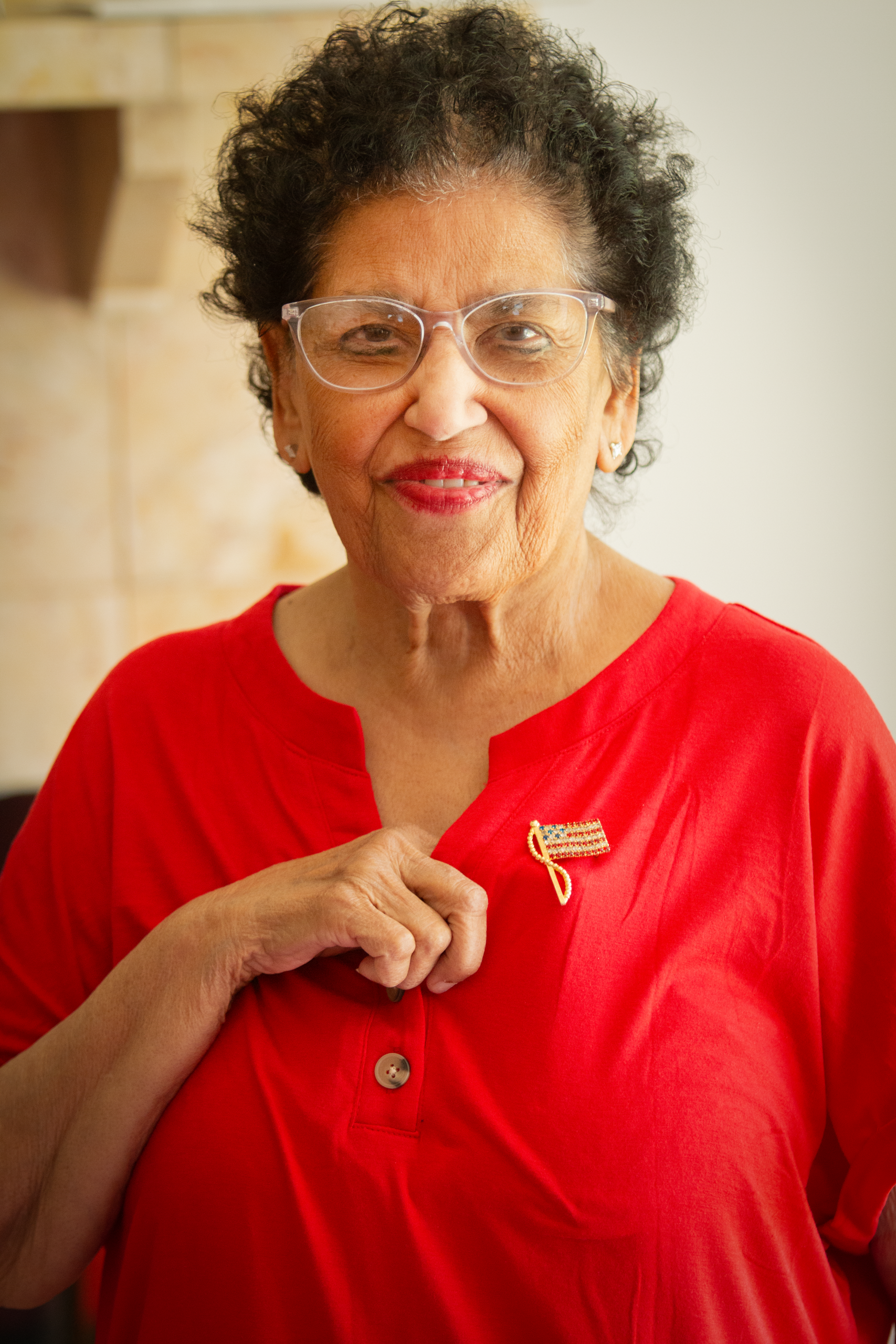
Amna Zahir shows off her American flag pin she received at her 1973 naturalization ceremony.
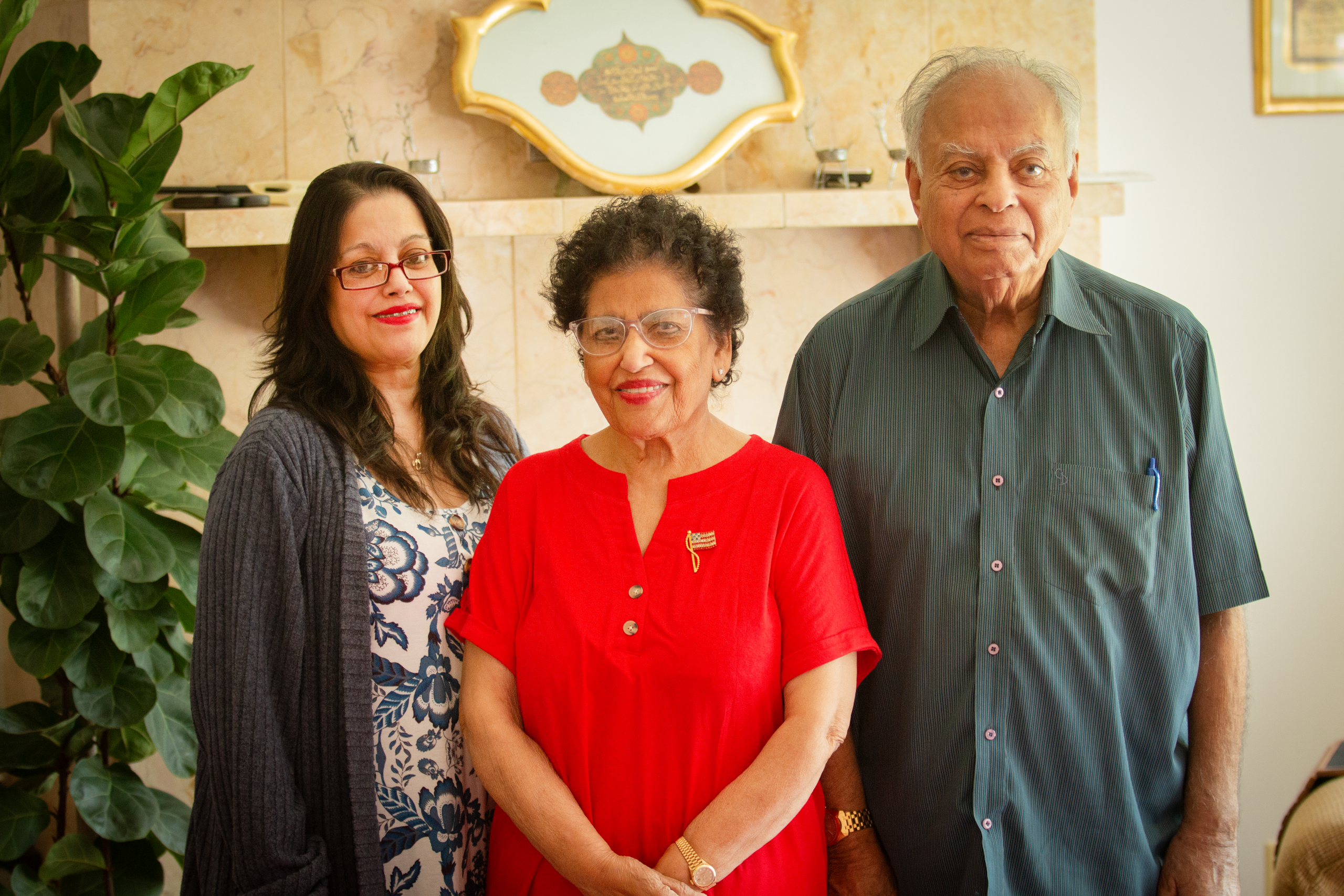
Farrah Zahir, and her parents, Amna and Dr. Syed Zahir, in the living room of her parents' Beckley home.